
Why Free Trials Work (and Why They Often Don’t): The Psychology of Trying Before Buying

“Try it free for 7 days.” “First month free.” “Start your free trial.” You have probably seen these offers hundreds of times. Software uses them. Streaming services use them. Fitness apps use them. News publications use them. Education platforms use…
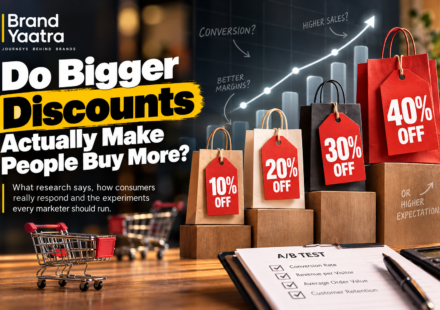
Do Bigger Discounts Actually Make People Buy More?
50% OFF. 40% OFF. 30% OFF. 20% OFF. 10% OFF. When you see them lined up like that, the answer seems obvious. More discount should mean more sales. If 10% off makes a product attractive, 30% should make it even more attractive. Right? Not necessarily. And…
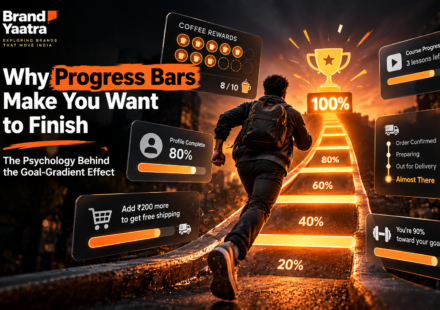
Why Progress Bars Make You Want to Finish: The Goal-Gradient Effect
Have you ever opened an app and seen: Profile 80% complete. And suddenly felt the urge to finish the remaining 20%? Or collected eight stamps on a coffee card and thought: “I’m almost there. I might as well get the next two.” Or watched a delivery…
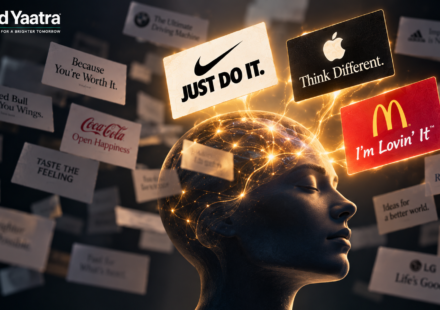
Why Some Brand Slogans Stick in Your Head: The Psychology of Memorable Slogans
“Just Do It.” “Think Different.” “I’m Lovin’ It.” You probably don’t need to see the logo to know which brands these belong to. That’s the strange power of a good slogan. A few words can sit in your memory for years. But think…
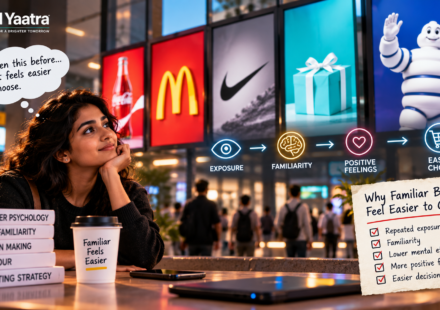
Why Familiar Brands Feel Easier to Choose: The Psychology of Mere Exposure
Have you ever picked a brand simply because it felt familiar? Maybe you had never bought it before. Maybe you couldn’t explain exactly why you trusted it. Maybe you didn’t even remember seeing its advertisement. But when you saw it sitting…
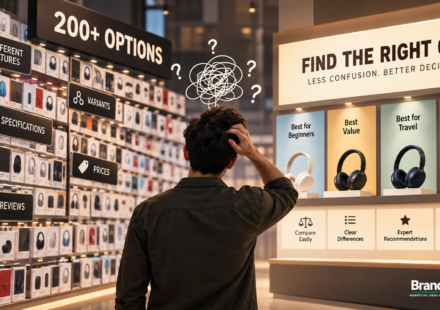
Why More Choices Can Make Buying Harder: The Psychology of Choice Overload
More choice sounds better. But when options become difficult to compare, consumers can feel confused, delay decisions or avoid choosing altogether. Here’s what choice overload really means for marketers.
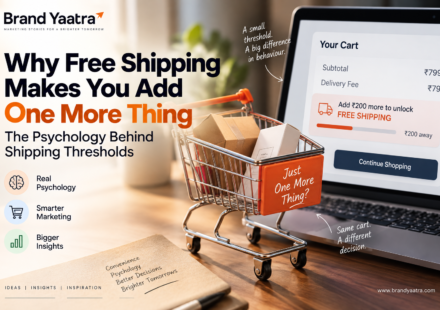
Why Free Shipping Makes You Add One More Thing: The Psychology Behind Shipping Thresholds
You went online for one product. Then you noticed: “Free shipping above ₹999.” Suddenly, adding one more thing felt smarter than paying ₹79 for delivery. Here’s the psychology behind it.
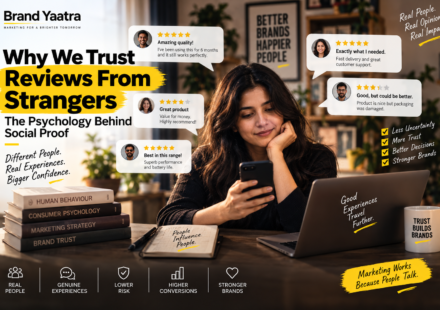
Why We Trust Reviews From Strangers: The Psychology Behind Social Proof
Why do we trust people we've never met? Discover the psychology behind reviews, ratings, testimonials, influencers and social proof—and how brands turn other people's behaviour into marketing power.
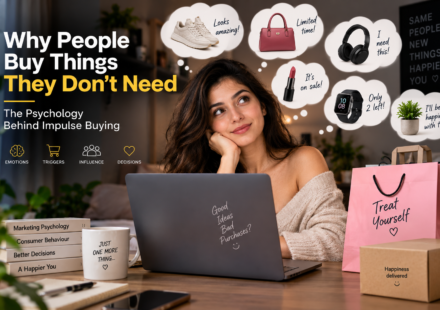
Why People Buy Things They Don’t Need: The Psychology Behind Impulse Buying
You’ve probably done it. You open an app just to check something. Twenty minutes later, you’ve bought a pair of shoes you didn’t plan to buy. Or a gadget. Or a skincare product. Or something that was sitting in your cart five minutes…
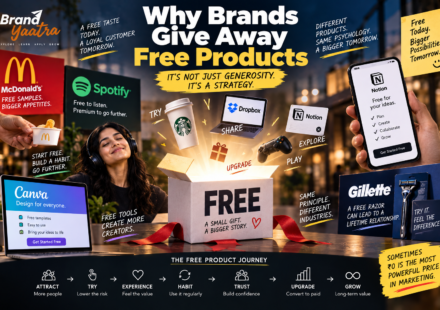
Why Brands Give Away Free Products
Why would a company spend ₹500 making something… …and then give it away for ₹0? At first, it sounds like terrible business. Give away the product. Pay for manufacturing. Pay for packaging. Pay for delivery. And make… nothing. Yet some of the…