










































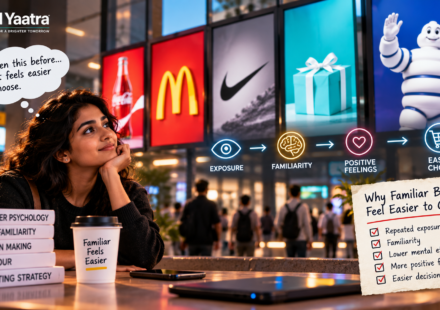
Why Familiar Brands Feel Easier to Choose: The Psychology of Mere Exposure
Have you ever picked a brand simply because it felt familiar? Maybe you had never bought it before. Maybe you couldn’t explain exactly why you trusted it. Maybe you didn’t even remember seeing its advertisement. But when you saw it sitting…
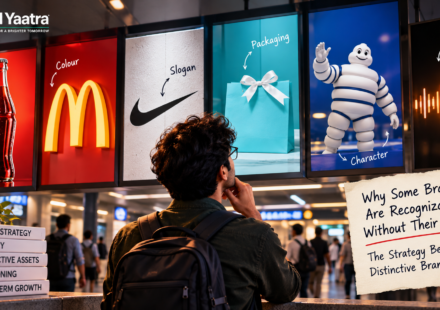
Why Some Brands Are Recognizable Without Their Name: The Strategy Behind Distinctive Brand Assets
Why do some brands become recognizable without showing their name? Explore distinctive brand assets, memory, consistency and how brands build recognition over time.

Why A/B Tests Fail: The Hidden Problems Behind Marketing Experiments
Why do A/B tests fail? Learn how early stopping, small samples, multiple comparisons, seasonality, poor hypotheses and statistical noise can mislead marketers.
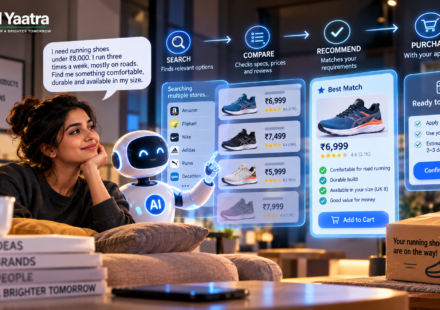
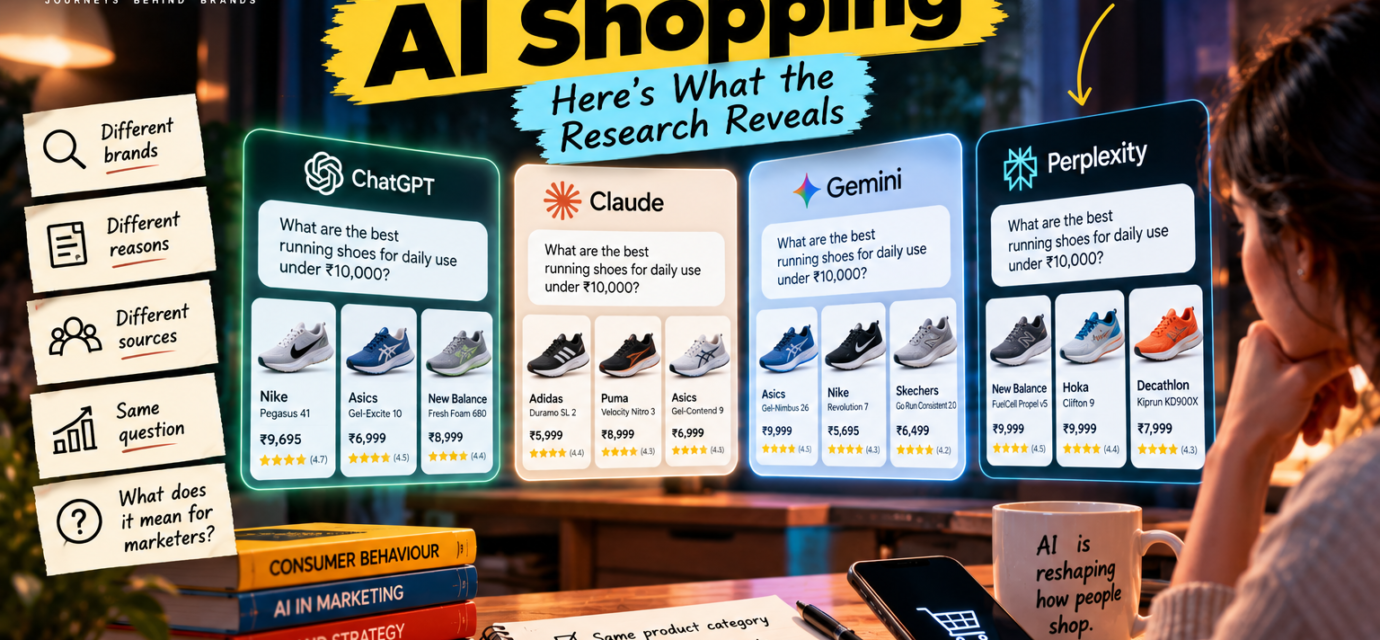
When AI Becomes the Shopper: How Agentic Commerce Is Changing Marketing
Imagine telling an AI: “I need running shoes under ₹8,000. I run three times a week, mostly on roads. Find me something comfortable, durable and available in my size.” Today, you might expect the AI to give you a list. Tomorrow, the more interesting…
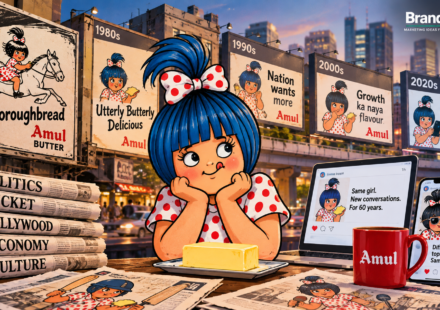
How Amul Turned a Butter Ad Into a 60-Year Brand Asset
How did Amul make the Amul Girl one of India’s most enduring advertising assets? Explore the strategy behind its consistency, topical humour, cultural relevance and brand memory.
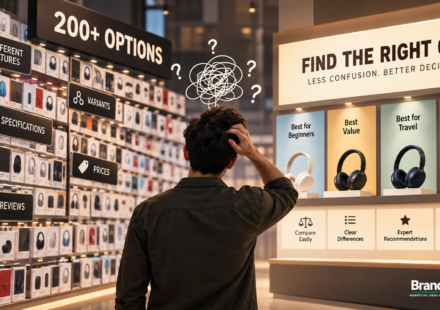
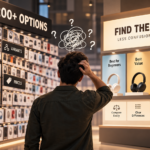
Why More Choices Can Make Buying Harder: The Psychology of Choice Overload
More choice sounds better. But when options become difficult to compare, consumers can feel confused, delay decisions or avoid choosing altogether. Here’s what choice overload really means for marketers.
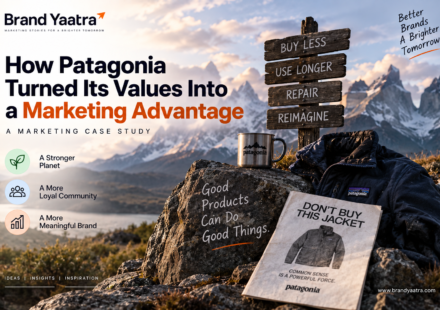
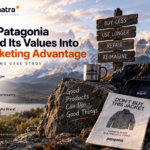
How Patagonia Turned Its Values Into a Marketing Advantage
Patagonia didn't simply put its values in a mission statement. It built them into products, marketing, customer relationships and the way the company operates.

What Is Customer Lifetime Value (CLV)? The Complete Guide for Marketers
A customer isn't worth only what they spend today. Customer lifetime value helps marketers understand what a customer could be worth across the entire relationship.

Why Free Shipping Makes You Add One More Thing: The Psychology Behind Shipping Thresholds
You went online for one product. Then you noticed: “Free shipping above ₹999.” Suddenly, adding one more thing felt smarter than paying ₹79 for delivery. Here’s the psychology behind it.
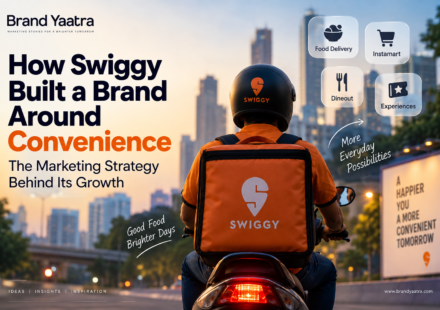
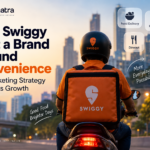
How Swiggy Built a Brand Around Convenience: The Marketing Strategy Behind Its Growth
Swiggy didn't build its brand around food alone. It built around convenience. Here's how product experience, personalization, marketing and an expanding ecosystem turned Swiggy into a major consumer brand.